As the National Day holiday draws to a close, industries across the economy are gradually resuming operations and production. For the chemical and hazardous chemicals sectors, however, October presents a period requiring heightened vigilance: on one hand, there is a buildup of post-holiday orders and the resumption of plant operations, leading to a high concentration of production restarts; on the other hand, the autumn and winter seasons bring a peak period for equipment inspection and maintenance, tank farm cleaning, and hot work operations, while personnel remain in a post-holiday state despite a sudden acceleration in production pace. Given these circumstances, the Ministry of Emergency Management annually compiles a review of "hazardous chemical accidents that occurred in October in historical records" to issue a warning to the entire industry.
1、 Three October Accidents: Three Successive Safety Barriers Breached
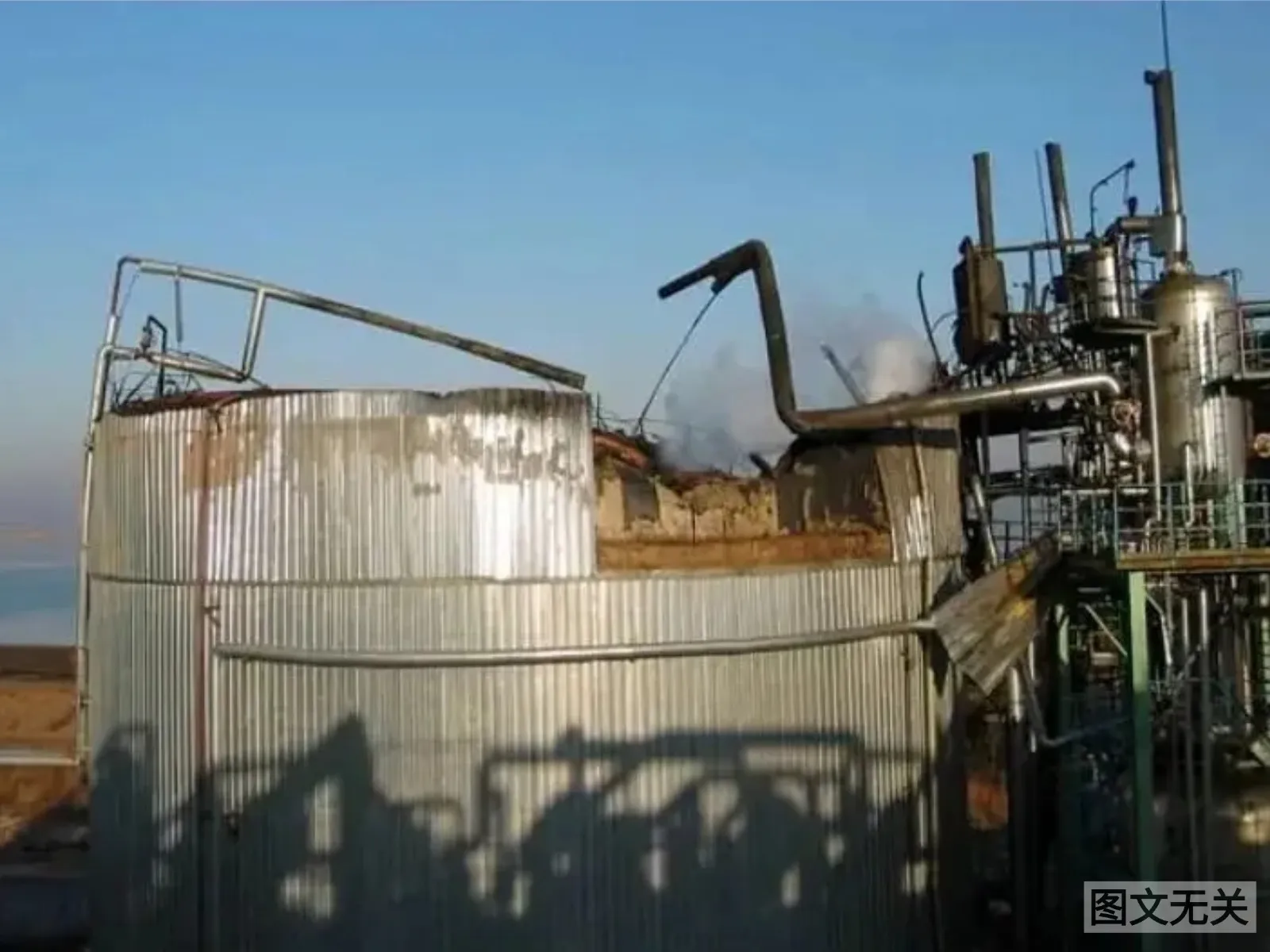
The "10·8" major explosion accident at Boxing Chengli Gas Supply Company
When equipment continues to operate despite existing defects, seal failure becomes the critical turning point.
At approximately 17:56 on October 8, 2013, a major explosion occurred during normal production operations at the coking unit of Shandong Province Boxing County Chengli Gas Supply Co., Ltd., resulting in 10 fatalities, 33 injuries, and direct economic losses amounting to 32 million yuan. The accident investigation revealed that during the unit's operation, the viscosity of the sealing oil decreased, and the piston tilt exceeded the process design requirements; these conditions led to extensive leakage of sealing oil, a drop in the oil level, and failure of the piston sealing system. Consequently, gas leaked from the lower space of the piston into the upper space, where it mixed with air to form an explosive gas mixture, which ultimately ignited upon encountering an ignition source. This incident exposed a breach in the unit's inherent safety safeguards: the oil level, viscosity, and piston tilt of the sealing oil are all real-time process parameters; deviations in these parameters would themselves serve as early warning signals of an impending accident. However, after the alarm was triggered, the unit was not shut down for corrective action, and continued operation under abnormal conditions effectively handed over the timing and location of the explosion to an ignition source that was bound to emerge sooner or later. During the post-holiday resumption phase, as the unit transitions from shutdown to reduced load, and finally to full-load operation, the conditions of sealing, lubrication, and corrosion may all undergo changes. Should any critical parameter exceed permissible limits, the unit must be shut down and rectified in strict accordance with operational procedures—there is no room for "persisting a little longer."

The "10·11" major poisoning accident at Yantai Kaishi Industrial
In a rush to feed the material in one go, the five men collapsed within seconds.
On October 11,2007, operators in the Material Preparation Workshop No.2 of Yantai Kaishi Industrial Co., Ltd. in Shandong Province suffered a hydrogen sulfide poisoning accident during the material feeding process, resulting in five fatalities. The direct cause of the accident was straightforward: in a rush to meet deadlines, an operator added 1.5 tons of nickel sulfide concentrate powder to Extraction Tank No.2 in a single operation. The massive amount of hydrogen sulfide generated instantaneously during the reaction exceeded the processing capacity of the absorption tower, triggering a "tank overflow." The resulting spill of hydrogen sulfide caused five operators working at the extraction station to sequentially suffer poisoning and collapse within seconds; despite emergency rescue efforts, all five individuals succumbed to their injuries. This incident represents a classic case of unsafe operational practices, rooted in the widespread psychological drive to meet order deadlines and accelerate production schedules following seasonal holidays. The feeding rate is not a matter of operational habit; rather, it is a safety threshold derived from the downstream absorption capacity. Adding 1.5 tons in one go crossed this critical red line—established through life-and-death consequences. At high concentrations, hydrogen sulfide can induce "electric shock-like" poisoning, causing loss of mobility within seconds. There was no room for hesitation on-site: ventilation systems, detection alarms, personal protective equipment (PPE), and emergency rescue gear for hazardous operations must be fully deployed and readily available prior to commencing work. The written procedures must be strictly adhered to in actual field operations.
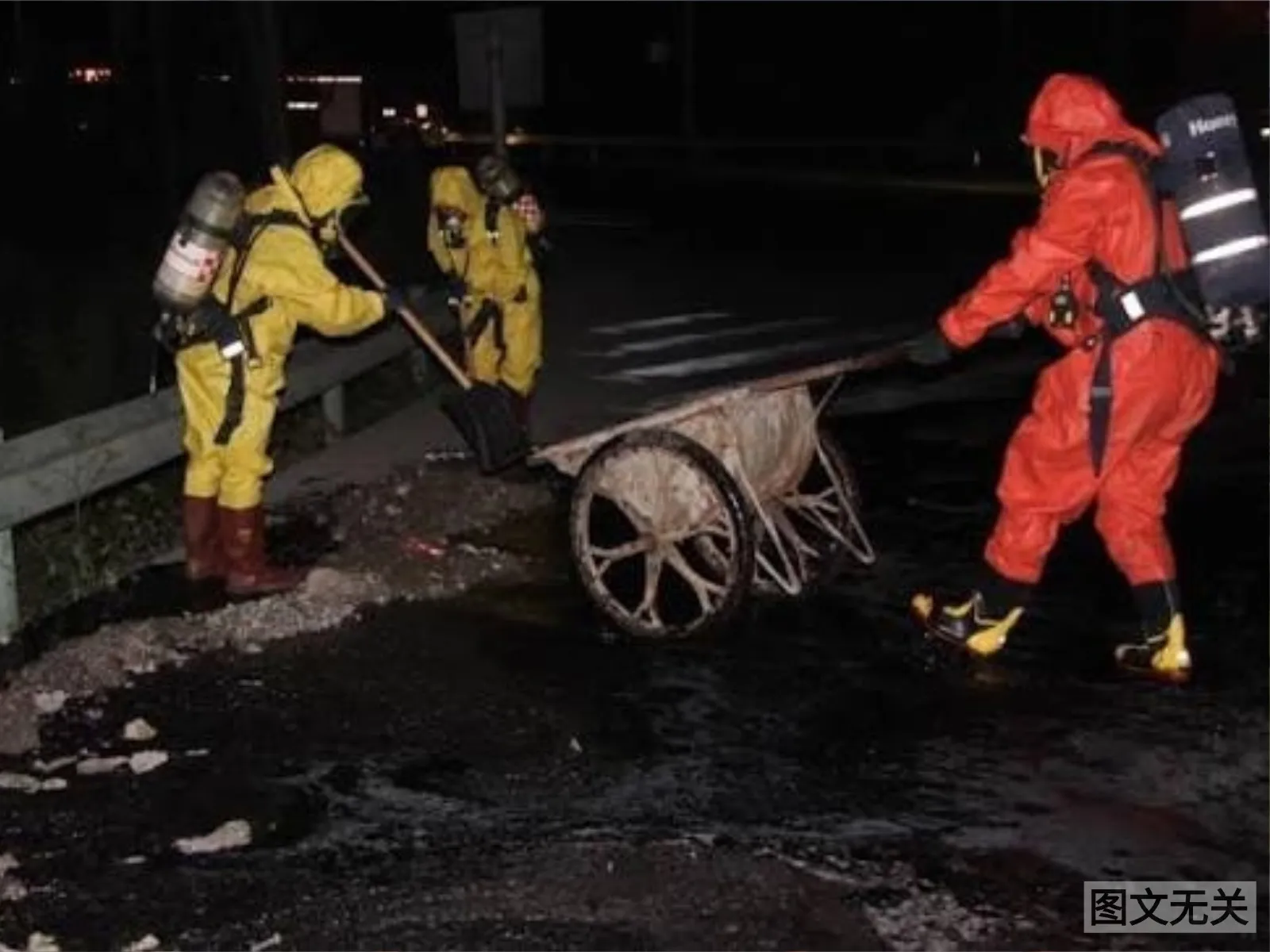
The "10·15" major sulfuric acid leakage accident at Qingdao Oriental Chemical
Due to inherent defects in the storage tank, over 2,800 tons of sulfuric acid leaked out.
On October 15,2005, a rupture accident involving sulfuric acid storage tanks occurred at Shandong Qingdao Oriental Chemical Co., Ltd., resulting in the deaths of six employees and minor injuries to 13 others. The investigation concluded that the company, despite lacking the requisite design and construction qualifications as well as the necessary technical capabilities, independently designed and manufactured the sulfuric acid storage tanks; during construction, it failed to comply with relevant standards, arbitrarily altered designs, employed substandard construction practices, and failed to adhere to inspection, testing, and acceptance protocols. These failures led to an unreasonable configuration of the tank wall structures. Consequently, one 1,750 cubic meter sulfuric acid storage tank suddenly suffered a transverse rupture during operation, causing the leakage of over 2,800 tons of sulfuric acid, which triggered the accident. While the previous two accidents were primarily attributed to deficiencies in operational management and procedures, this particular accident stemmed from its foundational flaws: the inherent safety standards of the hazardous chemical storage facilities—flaws already embedded in the design drawings and weld seams. Subsequent routine inspections and procedural measures could not rectify these inherent structural defects. Although storage tanks, pipelines, and warehouses may not directly participate in chemical reactions, they constitute the largest concentration points for hazardous chemicals within an enterprise; failure of such facilities could lead to catastrophic releases. This incident serves as a stark warning to all enterprises: the qualifications, design, construction, inspection, and acceptance processes of storage facilities must not be compromised in any stage, nor should the construction of unqualified facilities be regarded as a means of "cost reduction."
Three accidents, three distinct types—each precisely corresponding to the three most vulnerable areas during the October resumption of production: equipment and facilities operating under defective conditions, personnel violating safety protocols in pursuit of accelerated progress, and inherent deficiencies in storage facilities. Together, they illustrate a consistent pattern: accidents never cease simply because of a holiday; instead, they frequently occur amidst the chaos of resuming operations.
2、 As work and production resume after the holiday, these key hurdles must be overcome one by one.
First checkpoint: If the conditions for resuming production have not been adequately verified, operations must be strictly prohibited.
The commissioning of chemical plants is not merely a matter of "power-on restart." During holiday periods, when plants are shut down or operated at low load, changes may occur in equipment temperature, pressure, and medium conditions; seals may fail due to drying out or aging; pipelines and valves may exhibit abnormal behavior owing to corrosion or blockage; and instrument interlocks may have been temporarily deactivated during maintenance and repair operations without being subsequently restored. Enterprises shall formulate and rigorously implement a resumption-of-operation plan, conducting item-by-item inspections and verifications of equipment integrity, safety accessories, alarm and interlock systems, emergency shut-off devices, and fire emergency facilities, and implementing tiered acceptance inspections with signed approvals at the team, workshop, and plant levels. During maintenance and repair operations, any interlocks removed, blind plates installed, or manholes opened must be individually verified and restored to their original positions. Each item must be confirmed and then checked off; no feed-in or commissioning shall be permitted if any item fails to meet the required standards. Enterprises must strictly prohibit resuming operations before formal acceptance inspections, as well as conducting production while simultaneously addressing corrective actions. In the Boxing Chengli gas supply incident, the anomalies in the sealing oil system were not without warning; what was lacking was a shutdown mechanism that would trigger an automatic "one-vote veto" response upon detecting such warning signs.
Second critical control point: hot work and confined space operations must be subject to enhanced controls.
October marks the peak season for inspection and maintenance activities, during which hot work has historically been one of the highest-risk types of special operations in chemical enterprises. Among the typical accidents recorded in October by the Ministry of Emergency Management—namely the "10·24" storage tank explosion and fire at Ningxia Changyi Clean Energy in 2023, the "10·27" explosion at the Daqing Petrochemical Refinery in 2004, and the fire and explosion at the BASF Ludwigshafen plant in Germany in 2016—all incidents originated from non-compliant hot work or unauthorized cutting operations, providing profound lessons. During the resumption of production and operations, the following types of operations—hot work, confined space work, high-altitude work, and blind flange tapping/blocking—must strictly adhere to the work permit system: isolation, gas displacement, and purging must be performed first; gas analysis must be conducted, and work may only commence once results meet required standards; throughout the operation, adequate ventilation, continuous monitoring, and dedicated supervision must be maintained, with firefighting and emergency equipment readily available at all times; unpermitted operations, operations exceeding valid permit durations, and unauthorized expansion of work scopes are strictly prohibited; contractors must be integrated into the enterprise's unified safety management framework, and personnel lacking specialized qualifications for hot work are strictly prohibited from performing such operations.
The third critical phase: combating the "three violations," addressing "post-holiday syndrome," and restoring standard operating procedures to workstations.
In the analysis of accident causes at Yantai Kaishi, the phrase "in order to save time" deserves to be prominently displayed at the entrance of every company's workshop. In the early stages of resuming operations after the holiday, employees' focus may not have fully returned; newly hired or reclassified workers may be unfamiliar with the risks associated with their roles, while production tasks are often assigned in concentrated batches—conditions that can easily lead workers to cut corners, rush progress, or rely solely on past experience when operating. Companies should organize "readiness briefings" and pre-shift meetings, conduct comprehensive safety training for all staff and accident warning education sessions, and strictly enforce the requirement that personnel hold valid certifications before assuming their duties. Special inspections should be conducted to verify compliance with basic operational protocols, including material feeding rates, process parameters, and the proper use of personal protective equipment (PPE). In operations involving toxic, hazardous, flammable, or explosive substances, it is essential to ensure that detection alarms and protective equipment are fully functional; emergency rescue personnel are strictly prohibited from attempting rescue operations without proper protective gear. Furthermore, frontline employees should be clearly informed that they have the right to halt operations if abnormalities are detected, and the right to refuse non-compliant directives—thereby transforming the principle of "no violations" from a mere slogan into actionable on-site rules.
The fourth critical control point: storage and transportation system—conduct a comprehensive risk assessment.
Tank storage areas, hazardous chemical warehouses, and transport pipelines are key areas to be inspected following the holiday period. Given the characteristics of autumn and winter—namely declining temperatures and dry air conditions—inspections should focus on the tank breathing valves, flame arresters, level gauges, emergency shut-off valves, and leak containment berms; verify that stored materials are segregated by category and zone, that prohibited materials are not mixed, that proper stacking distances are maintained, and that ventilation and explosion-proof facilities are in place; additionally, assess the reliability of leak detection and alarm systems, firefighting foam systems, and emergency response basins. For tanks containing highly corrosive media such as sulfuric acid, particular attention should be paid to corrosion, deformation, and foundation settlement of the tank vessels. For storage facilities housing highly toxic or flammable gases, verification should be conducted regarding the implementation of dual-person handling and storage protocols, as well as video surveillance systems. For enterprises leasing external storage facilities to store hazardous chemicals, it is also necessary to verify the lessee's storage qualifications, design and acceptance documentation, and safety management capabilities—since safety responsibilities still fall within the enterprise's supply chain, even if the storage facilities are located outside the plant's own boundaries.
3、 Delegate the risks associated with storage to professional service providers.
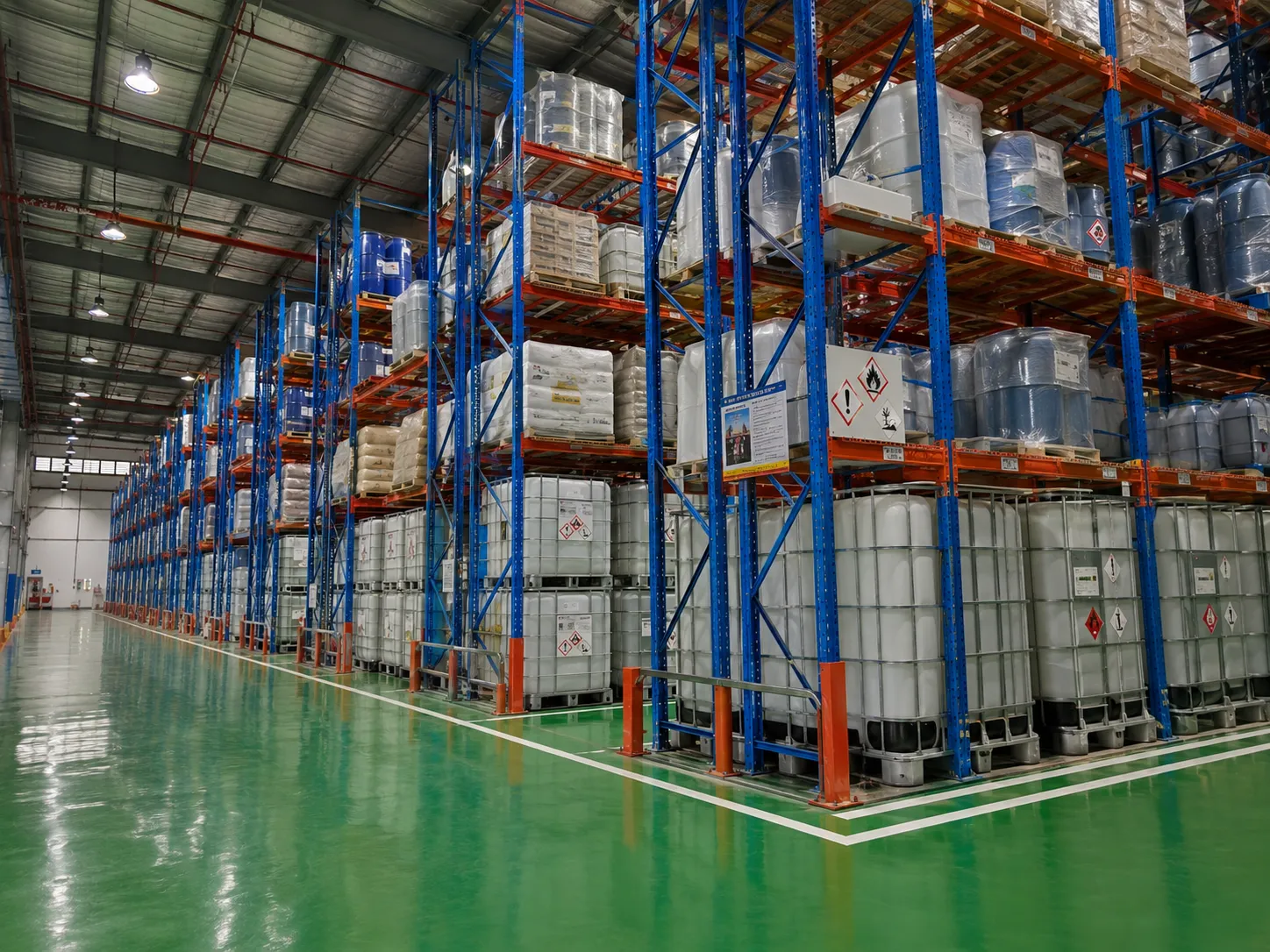
The accident at Qingdao Oriental Chemical has raised a matter of great practical significance: the professional requirements for hazardous chemical storage are extremely high. One must not, in order to cut corners or save costs, treat hazardous chemicals as ordinary goods and store them in ordinary warehouses—whether fully equipped with appropriate storage facilities, idle industrial buildings, or even open-air storage yards—that lack such necessary conditions.
Professional warehousing facilities are designed, constructed, and commissioned by qualified entities. During the construction phase, the layout of the storage area, fire safety clearances, firefighting facilities, and leak containment systems are all configured in accordance with hazardous chemical standards, thereby ensuring intrinsic safety from the outset. Materials of different hazard classifications are stored in segregated zones, with physically isolated areas designated for materials that are mutually incompatible. Continuous online monitoring of temperature, humidity, flammable and toxic gases, liquid levels, and video surveillance is maintained, while a dedicated professional team handles daily inspections, loading and unloading operations, and emergency response. For enterprises, this approach not only eliminates the heavy capital investment and long-term operational and maintenance burdens associated with self-built warehouses, but more importantly, transforms the storage process—from a gray area characterized by "no expertise, no oversight, and no accountability" —into an institutionalized, traceable compliance framework. During peak inventory periods, storage capacity can be flexibly expanded; during off-peak seasons, storage can be vacated. Professional personnel and emergency capabilities are readily available on demand, eliminating the need to maintain a dedicated workforce for several months of goods turnover. For import-export and trade enterprises, integrating professional warehousing with additional features—such as bonded storage, temperature-controlled storage, and gas-specific storage—along with compliance consulting and nationwide logistics support, can simultaneously address three critical challenges: "where to store," "whether storage complies with regulations," and "how to optimize inventory turnover."
For hazardous chemical warehousing needs, you can choose Sindbad Services! Founded in 2008, Sindbad has dedicated nearly two decades to specializing in the hazardous chemicals industry. Guided by its mission to "make hazardous chemicals safer," the company has established five strategic hub warehouses—in Langfang, Shanghai, Zhangjiagang, Hefei, and Qingyuan—across the Beijing-Tianjin-Hebei region, the Yangtze River Delta, and the Pearl River Delta, thereby building a nationwide hazardous chemicals warehousing and logistics network.
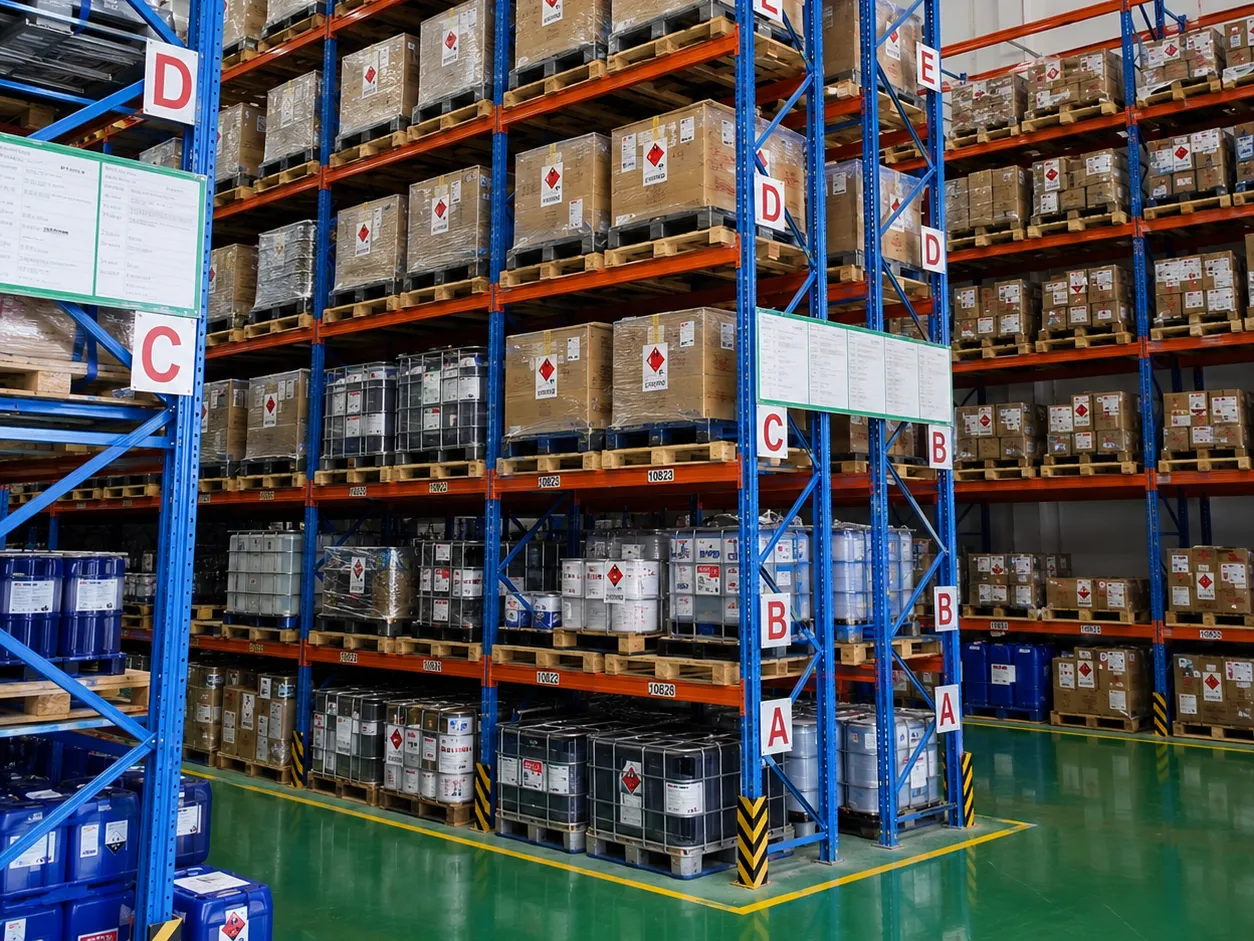
Sindbad's joint Zhangjiagang facility covers 33,000 square meters and is capable of accommodating the storage of Class A, Class B, and Class C hazardous chemicals, as well as gaseous hazardous chemicals, bonded hazardous chemicals, and hazardous chemicals under constant temperature conditions (15–25 °C). In Shanghai, Sindbad has consolidated over 100,000 square meters of specialized hazardous chemical storage facility resources, complemented by nationwide logistics and transportation capabilities. Leveraging its long-established professional technical team, Xinbida also provides clients with end-to-end consulting services—including hazardous chemical registration, operational permits, and import/export compliance—thereby delivering a one-stop service solution spanning from pre-compliance screening to storage and transportation. For enterprises seeking to resume operations or expedite shipments, placing their inventory in such specialized facilities equates to adding an institutionalized safety safeguard to their storage processes. When making a selection, enterprises should conduct on-site verifications of the facility's operating licenses, storage facility acceptance documentation, the scope of covered materials, and emergency response capabilities; they should also assign storage zones accordingly based on the hazard classification of their materials, ensuring alignment between inventory records and physical stock, as well as clear accountability.